A high-level stakeholder meeting sets the stage for a transformative partnership anchored in data, leasing innovation, and structured access to funding.
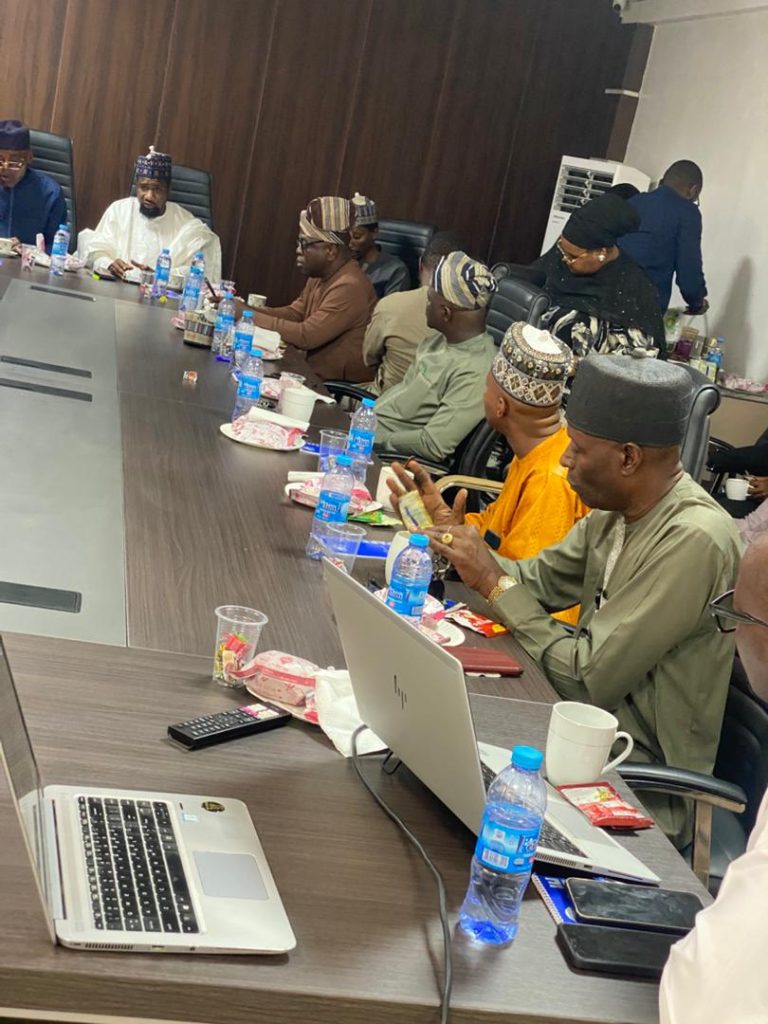
Delegates from ELRA and NATOMORAS in deliberation — April 2026.
In a meeting that signalled a new chapter of collaboration, representatives from the Equipment Leasing and Registration Association (ELRA) and the National Transport Owners and Motorists Association (NATOMORAS) convened to lay the groundwork for a strategic partnership aimed at empowering Nigerian businesses through better structure, smarter financing, and long-term opportunity.
The gathering brought together senior stakeholders, government liaisons, and private sector partners — including Century — to address a shared ambition: helping members of NATOMORAS access assets, grow sustainably, and integrate fully into formal economic systems.

The data gap: a foundational challenge
One of the most candid conversations at the meeting centred on the state of business data in Nigeria. Both organisations acknowledged that the government currently lacks sufficient data on a large portion of the business community — a gap that directly affects trust, limits access to intervention funds, and leaves many operators invisible to formal support systems.
Improving data collection, KYC systems, and engagement frameworks is not optional — it is the very foundation upon which access to funding and government support must be built.
Delegates stressed that credible data is the gateway. Without it, businesses remain excluded from programmes designed to support them. The call to action was clear: both organisations must prioritise data collection, member engagement, and proper KYC protocols as an immediate priority.
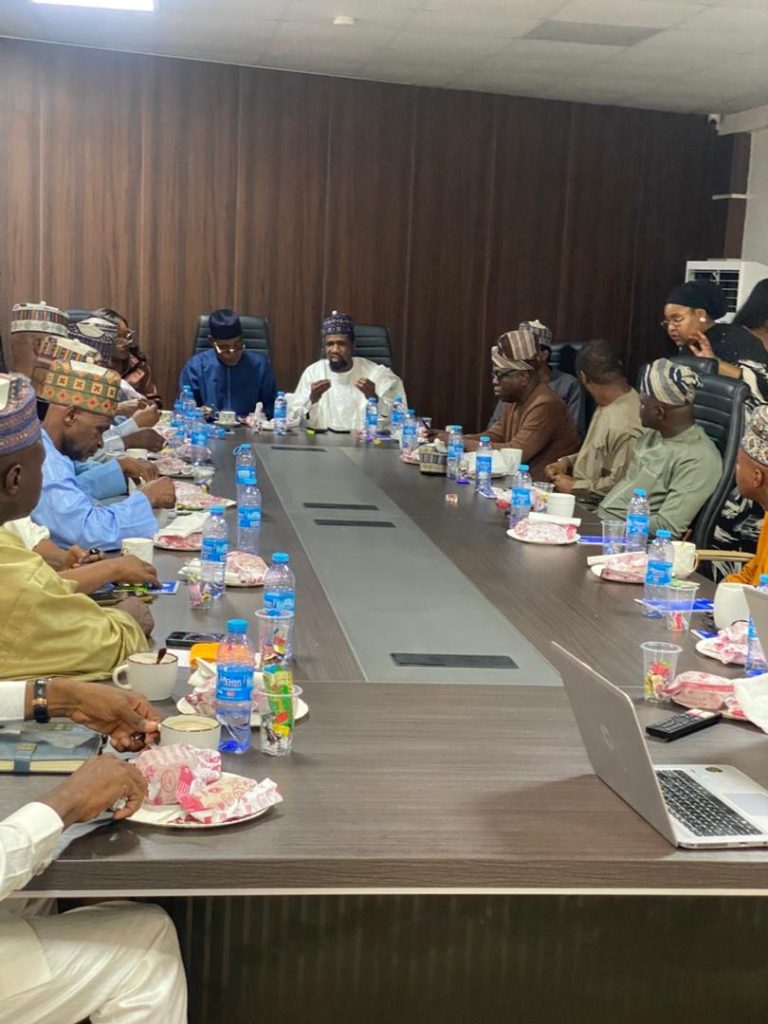
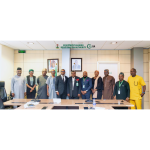
The full meeting room — a cross-section of transport operators, regulators, and private sector partners.
Leasing as a pathway, not a barrier
A significant portion of the meeting was dedicated to leasing solutions — and for good reason. For many transport operators and small business owners, the cost of acquiring assets upfront remains a prohibitive barrier. ELRA’s expertise in structured leasing presents a concrete solution.
The collaboration with Century was highlighted as a key enabler: providing members access to vehicles and equipment through lease arrangements that spread costs and make ownership achievable. The preference expressed by the meeting was for structured discounts rather than outright waivers — a position that balances commercial sustainability with member support.
Key themes from the leasing discussions
- Asset access without prohibitive upfront costs through structured leasing
- Collaboration with Century for affordable vehicle and equipment provision
- Preference for member discounts over full waivers to ensure sustainability
- Financial literacy training ongoing through October 2026 to support member readiness
Tracking, accountability, and trust
A recurring concern raised during discussions was the absence of tracking systems for leased assets. Delegates cited real-world examples — including missing tricycles (keke) — that had caused discouragement, eroded confidence, and in some cases led to financial loss. The meeting agreed this cannot continue.
In response, a tracking and monitoring system was formally proposed. Companies are being engaged to provide GPS and asset-tracking solutions at affordable rates, and a dedicated committee has been established to oversee implementation. This move is expected to significantly improve asset recovery, reduce risk for lessors, and give operators greater confidence in the leasing model.

Simplifying compliance, amplifying opportunity
Delegates also turned attention to the complexity of compliance for small and informal businesses. The discussion advocated for simplified registration processes, integrated systems, and streamlined pathways that make it easier for operators to formalise their businesses and benefit from government programmes.
Business registration, transparency, and accountability with ELRA were underscored as non-negotiable prerequisites — not just for leasing opportunities, but for accessing government interventions and building the kind of institutional trust that unlocks long-term growth.
The private sector’s role is especially important in ensuring sustainability, enforcing compliance, and supporting members in meeting their obligations. Neither ELRA nor NATOMORAS can achieve this alone.
A ceremony of commitment
In a moment that captured the spirit of the day, a formal plaque presentation took place — a symbolic exchange underscoring the mutual commitment both organisations are making to each other and to the businesses they serve.
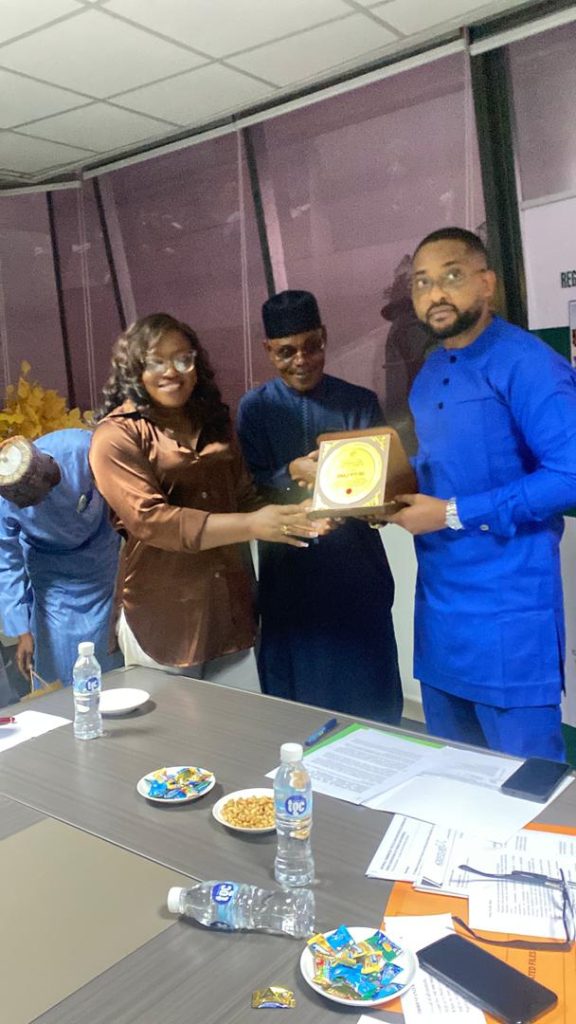
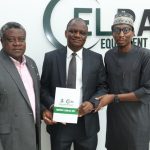
A plaque presentation marking the formal expression of partnership between the two organisations.
The group photograph: a coalition in motion
The meeting concluded with a group photograph taken at the showroom of Century — a fitting backdrop that placed the partnership’s ambitions in context. The presence of Chinese partners alongside Nigerian delegates speaks to the international dimension of this initiative and the broad coalition being assembled to make it succeed.
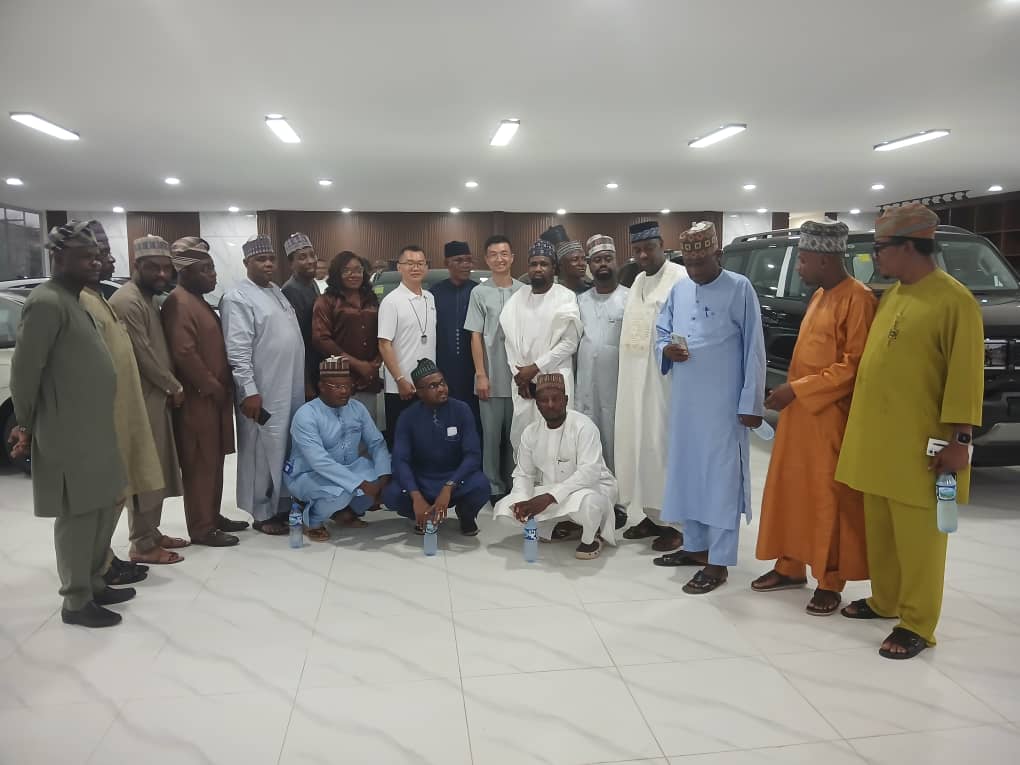
Delegates from NATOMORAS, ELRA, Century and partner organisations — April 2026.
Looking ahead
The meeting closed with a reaffirmation of purpose. NATOMORAS leadership expressed unwavering commitment to moving the initiative forward despite the complexities involved. Both sides agreed: success will be measured not by intentions, but by results — by members who are better structured, better financed, and better equipped to thrive.
Achieving that will require strong collaboration, reliable data systems, effective leasing structures, proper tracking, and consistent execution. The foundation has been laid. The work continues.
Recent Posts
-
 ELRA, NADF seek improved food security through equipment Leasing initiative.
 -
 ELRA, NIRSAL Deepen Collaboration on Mechanisation, Financing
 -
 ELRA, NADF Cement High-Impact Alliance to Drive Leasing Revolution
 -
 List of Financial Institutions Providing Vehicle Leasing Solutions in Nigeria
 -
 ELRA, CIS and Lotus Bank Meet to Strengthen Leasing Collaboration in Nigeria
